

Understanding AR vs VR for Brand Activations
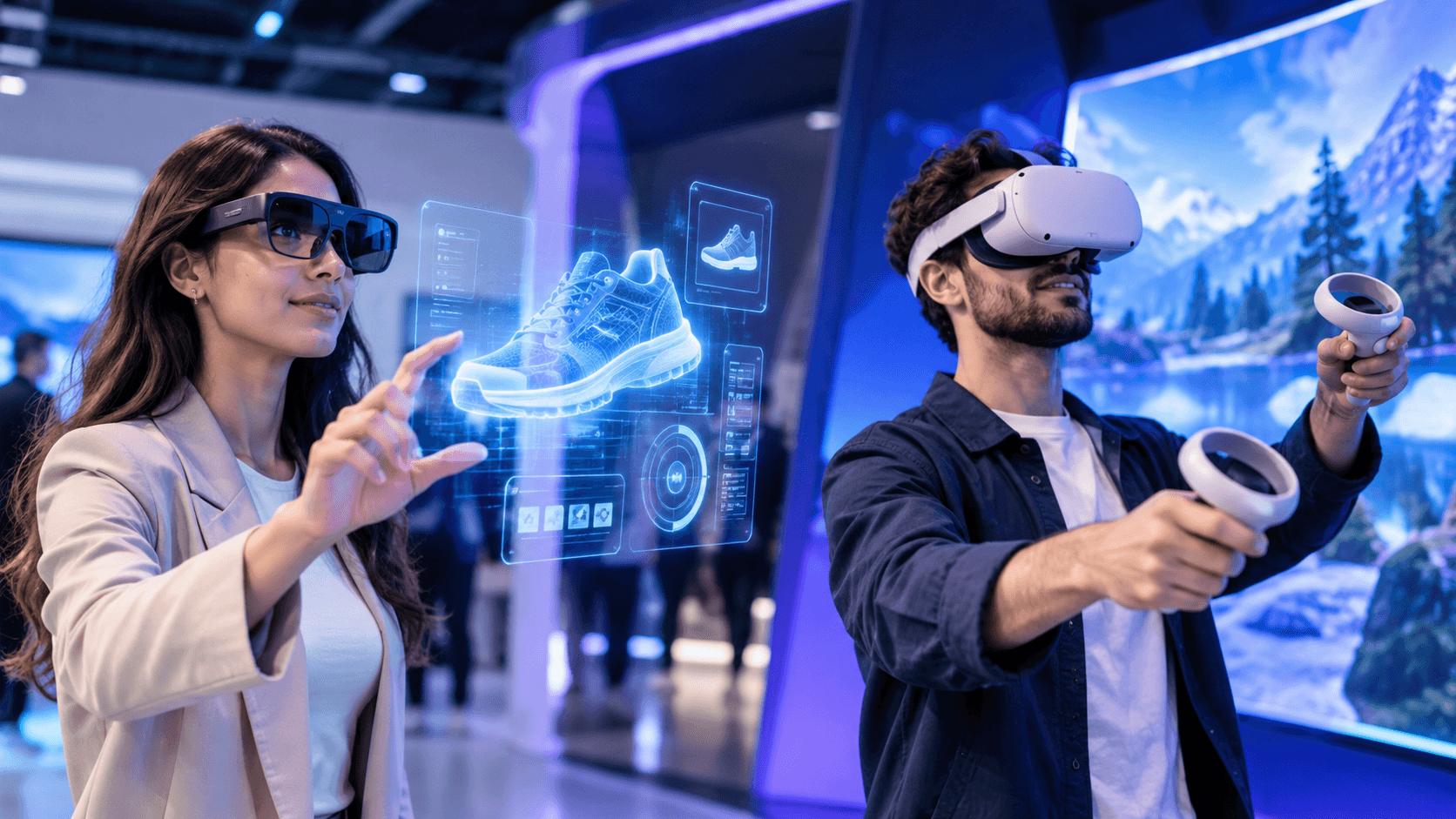
Brand activations are becoming more interactive as businesses look for creative ways to connect with audiences and make their campaigns memorable. Augmented Reality (AR) and Virtual Reality (VR) offer two different approaches to creating immersive brand experiences. AR adds digital elements, such as animations, information and interactive visuals, to the user's real-world surroundings. VR, on the other hand, places participants inside a digitally created environment that they can explore. Understanding AR vs VR for Brand Activations helps brands choose an experience that aligns with their campaign objectives, audience expectations and event environment.
How Augmented Reality Creates Interactive Brand Experiences
Augmented Reality allows visitors to interact with digital content while remaining connected to their physical surroundings. Through smartphones, tablets or other compatible devices, participants can discover virtual product features, explore interactive visuals and engage with branded digital elements. For example, a visitor at an exhibition could scan a product or marker to reveal additional information, animations or a 3D representation. This approach can make product discovery more engaging while connecting digital storytelling with physical spaces. Brands exploring AR and VR experiences can use these interactive formats to introduce new ways of presenting products, services and campaign messages.
How Virtual Reality Delivers Immersive Brand Activations
Virtual Reality creates a different experience by transporting participants into a computer-generated environment. Using a VR headset, visitors can explore virtual spaces, experience simulated scenarios and interact with digital elements without being limited to their immediate physical surroundings. Brands can use this format to present virtual product demonstrations, showcase destinations, introduce new concepts or create themed experiences. Instead of simply viewing campaign content, participants become part of the digital environment. When planned around a clear objective, VR can add an immersive dimension to digital experiences and help brands communicate ideas in a more engaging format.
AR vs VR: Which Technology Is Right for Your Brand?
Choosing between AR and VR depends on the type of interaction a brand wants to create. AR can be suitable for activations where visitors need to explore digital content while interacting with physical products, displays or surroundings. VR may be more appropriate when the objective is to create a dedicated virtual environment or let participants experience a concept that cannot easily be recreated at the venue. Other considerations include audience size, available space, equipment, accessibility and the overall event format. Both technologies can support creative campaigns, but the most effective choice is the one that complements the brand message and makes participation meaningful. Exploring different interactive installations can also help brands understand how immersive technology fits into a wider event experience.
Creating Memorable Brand Activations with Immersive Technology
AR and VR are not simply visual additions to an event; they are tools for creating meaningful audience participation. Whether a campaign uses augmented reality to bring physical displays to life or virtual reality to introduce visitors to a new digital environment, the experience should have a clear purpose and an intuitive user journey. Thoughtful content, accessible interactions and consistent brand storytelling can help make an activation more effective. At Nebuloid Tech Studio, immersive formats can be explored as part of a wider approach to interactive brand engagement. Discover the possibilities through our AR and VR solutions or connect with our team to discuss an experience for your next campaign.