
What Are Interactive Digital Flipbooks?
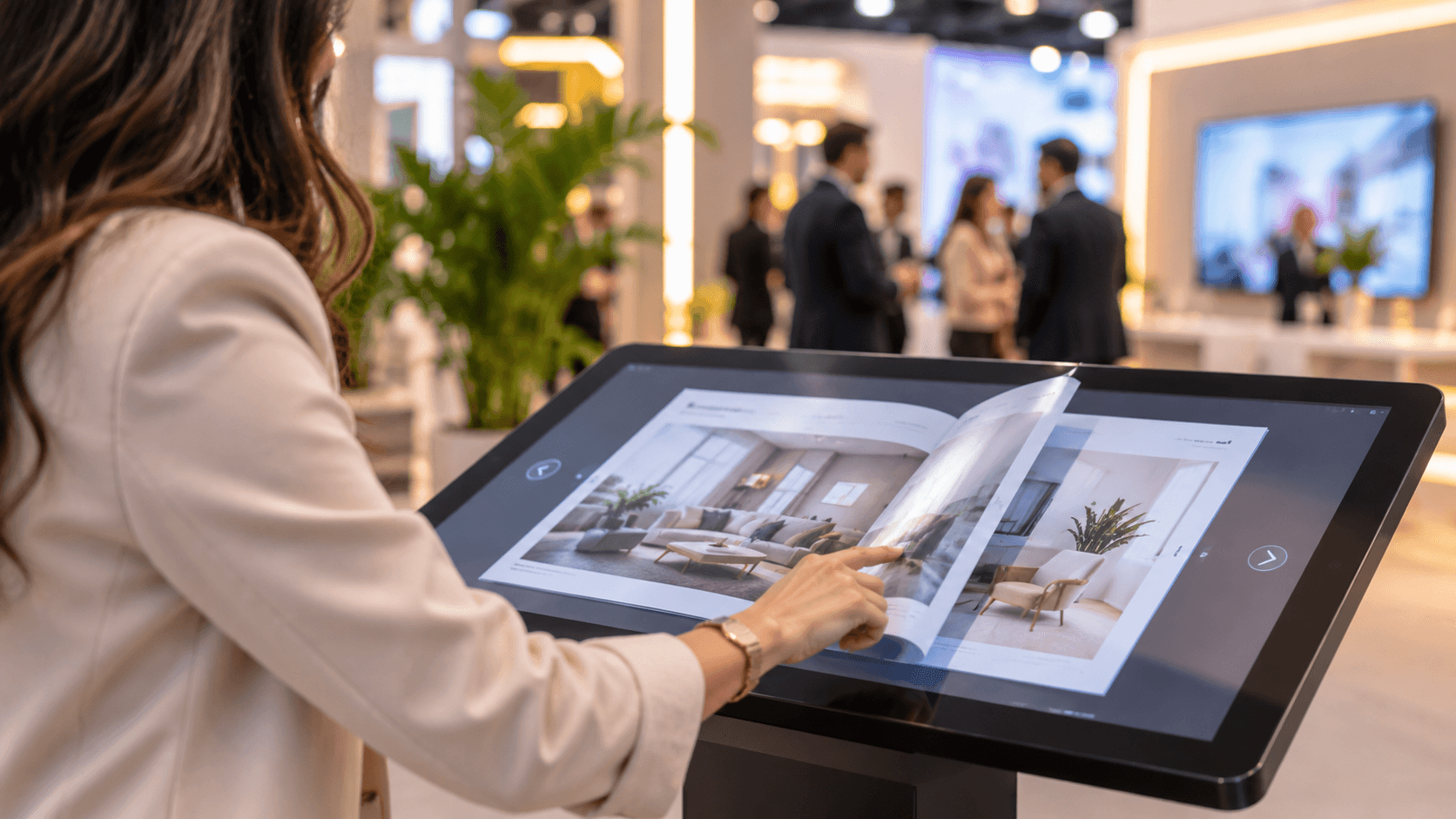
Traditional printed catalogues have long been used by businesses to showcase products, share information and present their brand offerings. However, as exhibitions and trade shows become more technology-driven, digital formats are creating new ways to present this information. Interactive digital flipbooks transform conventional catalogues into screen-based experiences that allow visitors to explore content through page-turning effects, touchscreen navigation and engaging visual elements. Instead of browsing through printed pages, visitors can interact with a digital publication, discover product information and explore brand presentations at their own pace. This makes digital flipbook experiences an effective way to modernise traditional product catalogues and business presentations.
How Digital Flipbooks Transform Traditional Catalogues
One of the biggest advantages of interactive digital flipbooks is their ability to combine familiar catalogue layouts with multimedia content. Businesses can present high-quality product images, detailed descriptions, videos, animations and clickable elements within a single digital publication. For example, an exhibition visitor exploring a furniture catalogue could browse product collections, view different designs and access additional product details without switching between multiple printed materials. Interactive navigation also makes it easier to move between sections and find relevant information. By bringing these elements together, digital catalogues create a more organised and visually engaging way to communicate product stories. They also support the wider shift towards digital experiences that encourage active visitor participation.
Creating More Engaging Exhibition and Trade Show Experiences
At exhibitions and trade shows, businesses often have limited time to introduce their products and communicate important information to visitors. Interactive digital flipbooks can make these presentations more accessible by allowing attendees to explore catalogues directly through touchscreen displays. Visitors can browse product categories, view specifications, discover collections and navigate information according to their interests. This self-guided approach can reduce dependence on printed brochures while giving exhibition teams a flexible way to present a wide range of offerings. Digital flipbooks can also become part of a larger interactive booth setup, complementing exhibition booth experiences and other interactive installations that make brand spaces more engaging.
Benefits of Interactive Digital Flipbooks for Brands
Beyond their visual appeal, interactive digital flipbooks offer practical benefits for businesses that regularly participate in exhibitions, product launches and corporate events. Digital catalogues can be updated more easily than printed materials, helping brands keep product information, images and presentations current. They can also bring multiple catalogues together in one interface, making it convenient for visitors to explore different product ranges. Depending on the platform and integrations used, digital publications may include clickable links, enquiry forms or other features that guide interested visitors towards the next step. When incorporated into a well-planned digital presentation, these capabilities can support product discovery, improve information accessibility and create a more consistent brand experience. Businesses can explore more ways to connect audiences with digital content through Nebuloid's interactive experiences.
The Future of Digital Flipbooks in Exhibition Technology
As businesses continue to adopt interactive technology for exhibitions and brand presentations, digital flipbooks are becoming a useful alternative to conventional printed catalogues. Their potential extends beyond product showcases to corporate presentations, educational content, portfolios, digital brochures and information displays. Future implementations may combine touchscreen interfaces, personalised content, multimedia storytelling and analytics integrations to create more responsive browsing experiences. However, the real value lies in making information easier to explore without overwhelming visitors with unnecessary features. A well-designed digital flipbook should be visually appealing, simple to navigate and relevant to its audience. By combining the familiarity of traditional catalogues with the flexibility of digital interaction, brands can create more engaging ways to present their products and communicate their stories.