
Indian DJ Expo 2026 runs from 18 to 20 August across Halls 1GF, 2GF, 3GF and 4GF, and it presents a design problem that almost no other exhibition in the Delhi NCR calendar shares. At a machinery fair or a consumer goods show, a loud stand stands out. At a professional audio, lighting and AV show, every single neighbour is loud, every stand has moving lights, and the ambient level across four ground-floor halls is high enough that shouting becomes the default conversational register by the middle of the first afternoon. The instinct in that environment is to turn up, and it is the wrong instinct. When everyone is at maximum, nobody is distinguishable, the halls turn into a wall of overlapping bass that flatters nothing, and the people you most want to impress, namely sound engineers, lighting designers, rental company owners, event production heads, club and venue operators, technical buyers and working DJs, will walk away with their ears tired and their opinion of your product unformed. These are trained listeners. They can identify a poorly tuned system in seconds, and they judge brands on control, clarity and intent rather than on volume. What genuinely differentiates a stand at this show is demonstration discipline. That means deciding exactly what you want a visitor to hear or see, engineering the conditions so they can actually perceive it, and resisting the urge to run a continuous wall of content simply because silence feels risky. A short, well-produced demonstration that runs on a published schedule, with the system properly aligned to the room and the surrounding stands considered, will do more for your reputation among professional buyers than three days of continuous playback at high level. The audience mix also rewards a layered approach. Rental companies and production houses want reliability, serviceability, spare parts and total cost of ownership. Venue operators want coverage, aesthetics and how a system behaves in their specific room. Working DJs and performers want feel, workflow and how quickly they can get to something usable. Distributors want margin, territory and support. Each of these buyers needs a different conversation, and a stand that offers only a loud demonstration serves none of them properly. The most effective stands at this kind of expo therefore combine a controlled demonstration space, a genuine hands-on area where a visitor can put their own hands on the equipment, and a quiet corner where a serious commercial conversation can happen without a shouted exchange. Getting that layout right is a bigger contributor to results across the eighteenth, nineteenth and twentieth than any single piece of equipment on the truss, and it is decided at the drawing stage rather than on the build day. It is also worth planning around the fact that visitor tolerance falls as each day progresses. Ears fatigue, the halls get warmer, and by late afternoon the people walking past are far less willing to endure another aggressive demonstration than they were when the doors opened. Stands that deliberately shift their approach through the day, leading with high energy in the morning and moving toward controlled, conversational demonstrations in the later hours, tend to hold the attention of serious buyers at exactly the point when their neighbours are simply making noise.
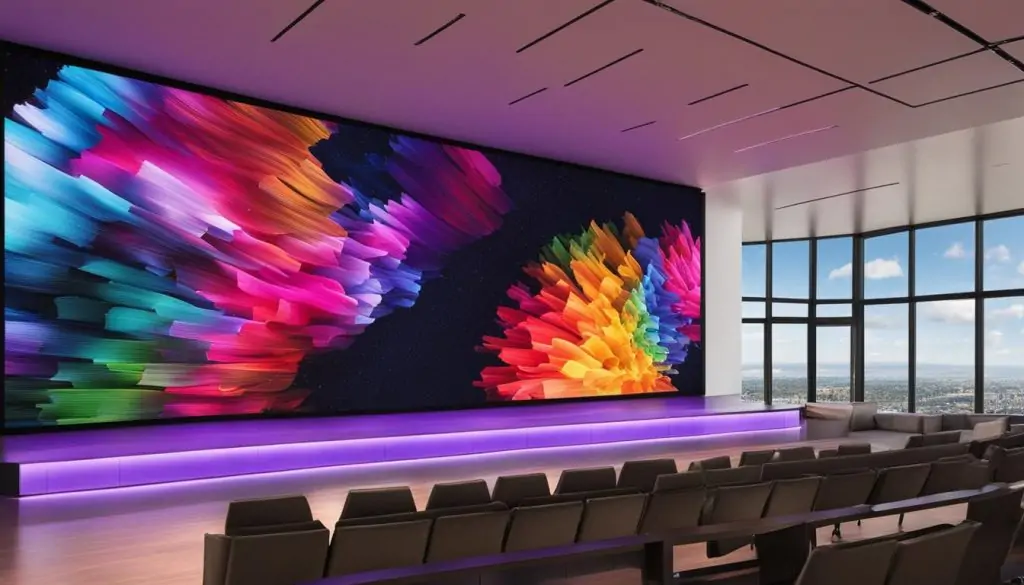
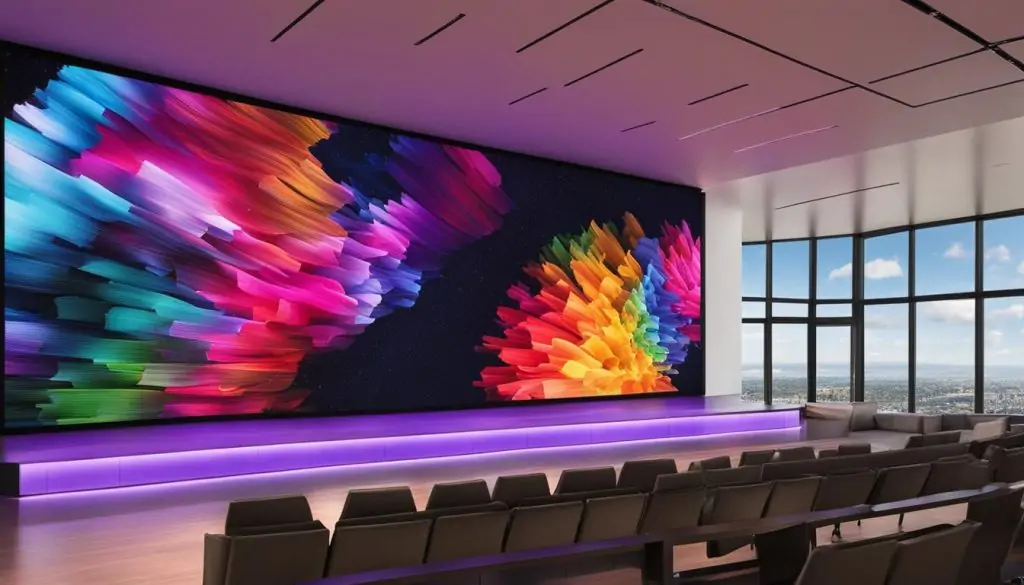
Once the demonstration philosophy is settled, the interactive layer becomes far easier to design, and at an AV show the interactive layer has an unusual advantage, because your products are themselves inherently experiential. The most consistently effective format is a controlled listening or viewing environment, whether that is an enclosed demonstration pod, a treated corner of the stand, or a silent demonstration using high-quality headphones fed from your actual signal chain. Headphone-based demonstrations are frequently dismissed as a compromise at audio shows, but at a venue where four halls are competing acoustically they are often the only way a visitor will genuinely hear the difference you are claiming, and professional buyers appreciate being given a fair listening condition rather than a shouted one. For lighting and visual brands, the equivalent is a shielded or hooded viewing area where fixtures can be seen against a controlled background rather than washed out by the neighbouring stand. Beyond the demonstration itself, several interactive formats work particularly well with this audience. A hands-on control station, where a visitor can operate a real console, controller or lighting desk driving your actual rig, is the single most valuable thing you can offer to a working professional, because this is a category where feel decides purchases and nobody buys a controller they have not touched. An audio-reactive visual installation, where sound from the stand drives generative graphics on a screen or projection surface, demonstrates media server capability, processing and creative potential all at once, and it doubles as a genuine attention magnet in the aisle. A motion or gesture-driven lighting demonstration lets a visitor trigger cues themselves and understand the speed, colour range and control depth of a fixture far better than a preprogrammed loop ever conveys. An immersive projection or LED pod that recreates a club, festival stage or wedding environment lets a venue operator or event producer see your equipment in a context resembling their own room rather than in a bare exhibition bay, which is the imaginative leap most buyers struggle to make on their own. A configuration or coverage visualiser on a touchscreen, where a visitor enters approximate room dimensions and audience size and sees an indicative system layout, gives a technical buyer something concrete to discuss, provided the output is presented as a starting point rather than as a guaranteed prediction. Around these, a simple competitive element such as a mixing challenge, a beat-matching game or a short cue-programming contest with a leaderboard across the three days generates repeat visits and gives your stand a reason for people to bring their friends back. Nebuloid builds these layers around a single content and control system so that lighting, audio, screens and interactive triggers respond together rather than fighting each other, because a stand where the visuals and the rig are visibly synchronised reads as competence to a professional audience, and competence is precisely what this audience is shopping for. Every interactive element should also survive being operated by a stranger with no briefing at all, because at this show visitors touch first and ask questions afterwards, and any station that needs a staff explanation before it makes sense will spend most of the three days standing idle.
The technical execution of an AV stand carries risks that other categories do not, and planning for them is the difference between a confident three days and a scramble. Power is the first. Lighting rigs, amplifiers, media servers and screens draw significant load, and demand across Halls 1GF, 2GF, 3GF and 4GF will be heavy, so calculate your requirement honestly with headroom, order the correct supply well in advance, distribute it properly rather than daisy-chaining extensions, and protect anything with a processor behind it. Rigging is the second, and it is a safety matter before it is a design matter. Anything suspended must be engineered, certified where required, secured with appropriate safeties, and installed by competent crew within the venue rules, and if there is any doubt about a hanging point, the correct answer is a ground-supported structure rather than an improvisation on build night. Acoustic discipline is the third and the one most likely to affect how you are perceived. Aim your systems deliberately, point them away from neighbouring stands wherever possible, respect any sound pressure limits the organiser sets, and treat courtesy toward adjacent exhibitors as a professional signal rather than a constraint, because the rental and production community is small and reputations travel through it quickly. Publish a demonstration schedule at the stand edge and stick to it, since a visitor who knows a proper demonstration begins in ten minutes will come back, and a scheduled show is far easier to staff, rehearse and deliver well than continuous improvisation. Content and control should be prepared and rehearsed off site, with your show file, cue stacks, media and backups all tested in a build room before they reach the hall, and a spare media server or laptop configured identically and ready to swap. Assume hall connectivity will be unreliable and run everything locally. Crew planning should account for the length of the days and the physical demands of an AV build, with a clear division between the technical team responsible for the rig and the commercial team responsible for conversations, because an engineer pulled into a sales discussion mid-demonstration serves neither role well. Lead capture at this show should be tied to the specific product and the visitor role, distinguishing a rental buyer from a venue operator from a distributor, because the follow-up material for each is completely different and generic follow-up is wasted on a technical audience. Review each evening, noting which demonstrations drew crowds, which questions repeated, and which equipment attracted the most hands-on time, and adjust the next day schedule accordingly. After the expo, follow up quickly with specification sheets, service and warranty detail, and pricing structures appropriate to the buyer type, and include footage of the demonstration they saw so the memory is reactivated rather than described. Finally, treat the interactive and content system you build as a touring asset. The pods, the control stations, the reactive visuals and the show files created for the Indian DJ Expo should travel to your dealer events, roadshows and the next edition with only a content refresh, which is how a serious AV brand builds a recognisable experience rather than a new stand every year.