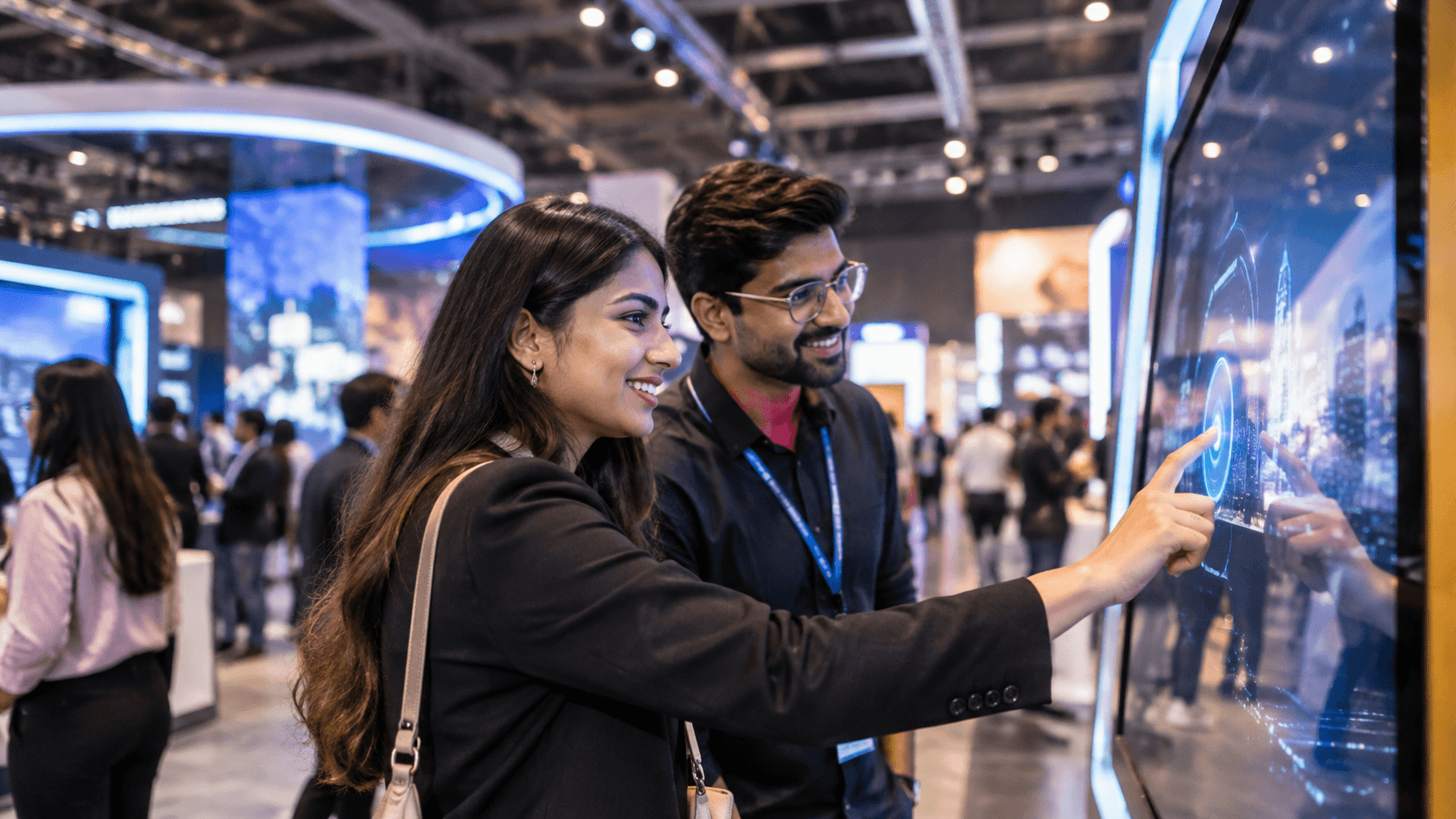

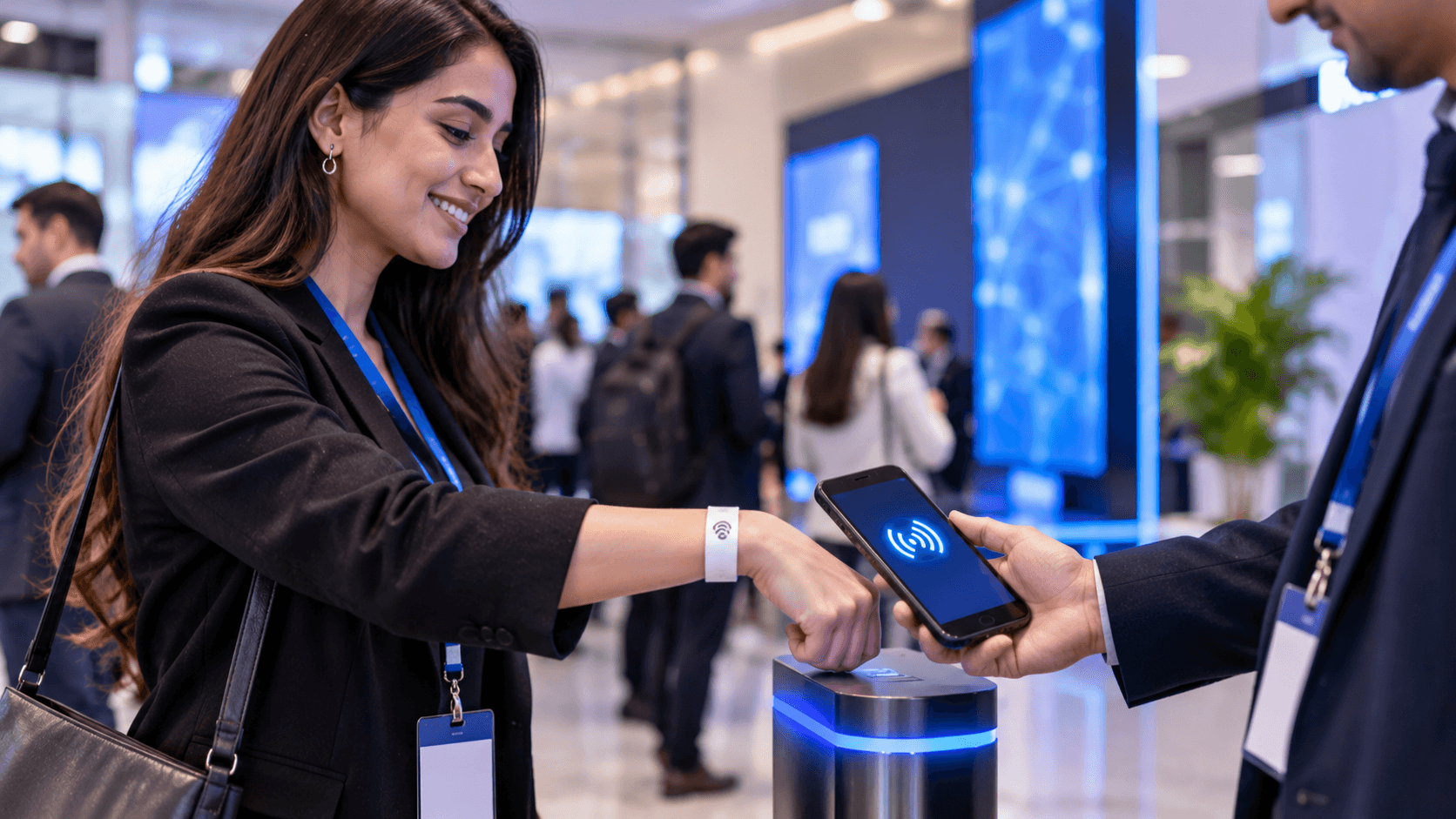
NFC technology for events is transforming the way people enter venues, explore exhibitions, interact with brands and connect with other attendees. NFC, or Near Field Communication, is a wireless technology that allows compatible devices to exchange small amounts of information when brought close together. A simple tap of an NFC-enabled wristband, badge, card or smartphone can open up a digital interaction without requiring visitors to navigate multiple steps. As conferences, exhibitions, corporate gatherings and brand activations become more technology-driven, organisers are exploring NFC to make attendee journeys more convenient, connected and interactive. Rather than treating technology as something separate from the event, NFC can become a natural part of the experience, connecting physical touchpoints with useful digital information.
How NFC Technology Makes Event Check-Ins Faster
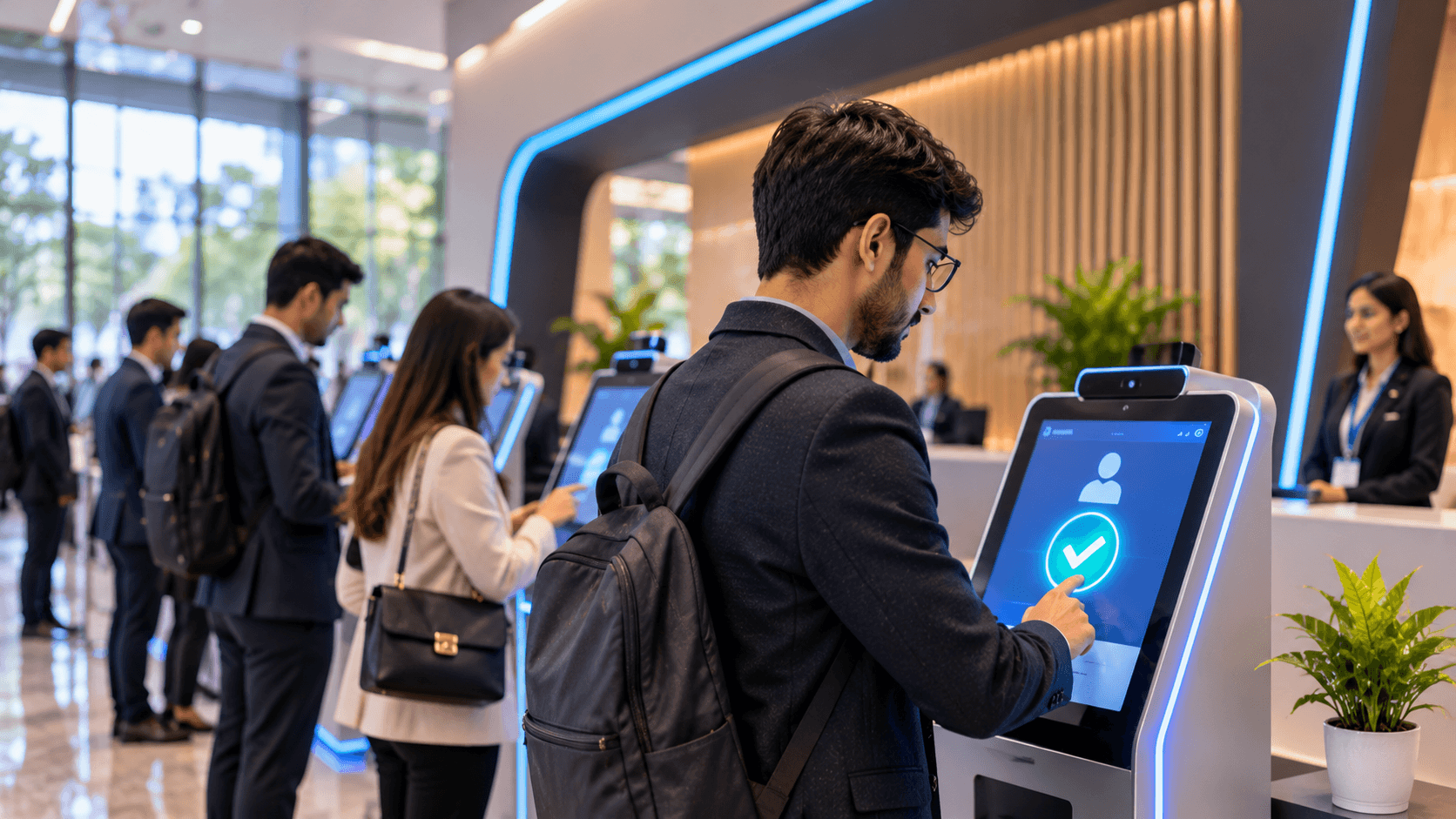
Event registration is often the first interaction attendees have with an organiser, and a complicated arrival process can affect their overall impression. Traditional registration may involve printed tickets, manual verification, long queues and repeated information checks. NFC technology offers another approach by allowing attendees to use compatible wristbands, badges or cards at designated readers. When the event infrastructure supports it, a quick tap can help verify an attendee's registration or access permission, reducing the need for repeated manual steps.
For larger conferences and exhibitions, this type of contactless interaction can be particularly useful when organisers need to manage different entry points, visitor categories or access zones. NFC can also work alongside other digital registration methods, such as QR codes and self-service systems, depending on the event's requirements. A well-organised registration command center can support the coordination of registration activities, while a thoughtfully designed registration and guest journey helps make the arrival process more structured. The objective is not simply to introduce a new scanning method but to create an entry experience that feels clear, efficient and convenient for visitors.
Creating More Connected Attendee Experiences
One of the biggest advantages of NFC technology for events is its ability to connect physical event spaces with digital content. Instead of searching through brochures, websites or printed schedules, attendees can tap an NFC-enabled point to access relevant information directly on their smartphones. For example, an NFC touchpoint placed near an exhibition display could open a product page, while another positioned at an information desk could direct visitors to an event schedule or venue guide.
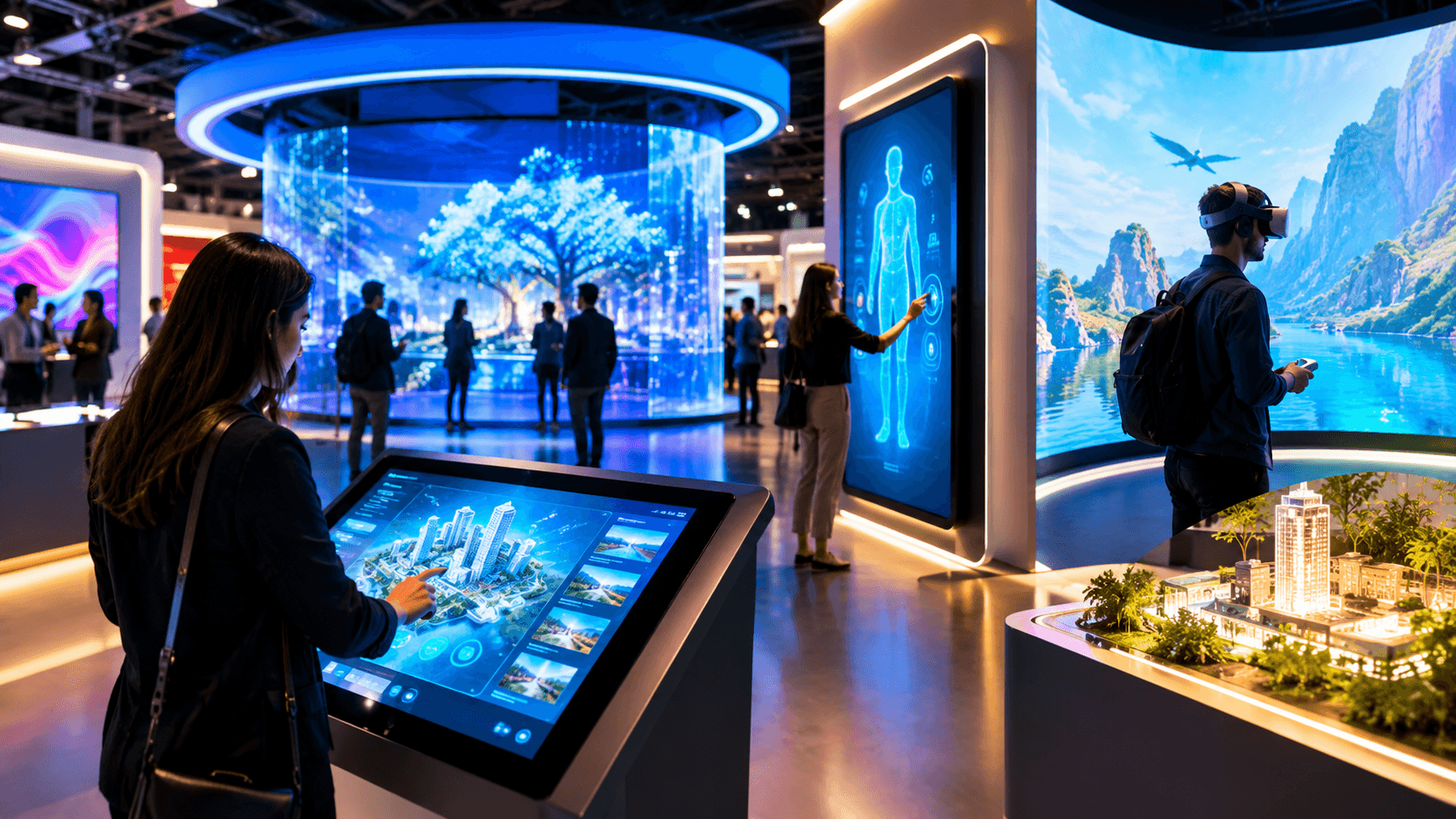
This approach can make event information easier to discover while giving attendees more control over how they explore a space. Brands can also use NFC-enabled displays to provide additional product details, promotional information, videos or digital catalogues. When combined with creative interactive installations, these touchpoints can encourage visitors to participate rather than simply observe. The result is a more engaging environment where physical displays and digital information work together. For organisers, the key is to place NFC interactions where they offer genuine value, making every tap useful instead of adding technology without a clear purpose.
NFC for Networking, Product Discovery and Lead Engagement
Networking is an important part of professional events, trade shows and business conferences. However, exchanging contact details through printed business cards or manually entering information can sometimes interrupt conversations. NFC-enabled business cards and badges offer an alternative by allowing compatible smartphones to access a digital profile or contact information through a simple tap. This can make professional introductions more convenient and help attendees continue conversations after the event.
NFC can also support product discovery and brand engagement at exhibition booths. Visitors may tap a designated point to explore product specifications, watch demonstrations, download brochures or open an enquiry form. For exhibitors, these interactions can create additional opportunities to introduce products and encourage interested visitors to take the next step. A connected digital lead capture experience can help businesses organise enquiries generated through digital touchpoints. These interactions may also complement a well-planned exhibition booth ecosystem, where displays, demonstrations and visitor engagement activities are designed to work together. However, collecting contact details should always involve clear communication, appropriate consent and responsible handling of personal information.
Improving Event Personalisation and Visitor Navigation
Modern events often include multiple halls, exhibition zones, meeting areas, product displays and activity spaces. Helping attendees find the information or destinations they need is an important part of creating a smooth visitor journey. NFC touchpoints can be placed at selected locations to provide access to digital venue maps, session information, exhibitor profiles or directions. When visitors tap these points, they can quickly access relevant information without depending entirely on printed guides or searching for assistance.
NFC can also support more personalised interactions when it is connected to suitable event platforms and configured with the right permissions. For example, an attendee could access information relevant to a particular exhibition zone, session or product category. Organisers can plan these interactions around the overall event layout and visitor requirements. Digital tools such as a venue navigation system can further support the discovery of event spaces and important destinations. Nevertheless, personalisation should remain practical and respectful of attendee privacy. Clear instructions, accessible alternatives and reliable connectivity are essential to ensure that visitors can benefit from these digital experiences regardless of their familiarity with NFC technology.
The Future of NFC Technology at Events
As event experiences become increasingly connected, NFC technology offers organisers new ways to simplify interactions and improve the relationship between physical and digital environments. Its potential applications extend beyond contactless entry to include attendee networking, digital information sharing, product exploration, venue guidance and interactive brand engagement. These possibilities make NFC an interesting consideration for conferences, exhibitions, trade shows and corporate events looking to create more convenient visitor experiences.
However, successful implementation requires more than simply distributing NFC-enabled badges or placing readers around a venue. Organisers need to consider device compatibility, reader placement, network reliability, integration with event platforms, data security and alternative access methods for visitors who cannot or prefer not to use NFC. Every interaction should have a clear purpose and provide information or convenience that attendees can understand immediately. When planned as part of a wider digital event strategy, NFC can complement interactive displays, registration systems and other engagement technologies. At Nebuloid Tech Studio, the focus on digital and interactive experiences reflects the growing role of technology in creating meaningful connections between brands and audiences. Explore Nebuloid's digital experiences to discover how thoughtfully designed technology can contribute to more engaging event environments.