
IPHEX 2026 runs from 6 to 8 September across multiple halls at Bharat Mandapam in Pragati Maidan, and the single most useful thing an exhibitor can do before designing anything is to accept what kind of floor this really is. This is a sourcing environment rather than a consumer environment. The people walking your carpet are procurement heads from distributors in West Africa, registration consultants from Latin America, tender agents working on behalf of health ministries across Central Asia, private label buyers from Southeast Asia, and domestic manufacturers hunting for spare contract capacity. None of them arrived to be entertained. They came to shorten a supplier shortlist, and every decision you make about layout, lighting, graphics and staffing either helps them do that or quietly gets in the way. Because the show spreads across multiple halls, footfall behaves very differently from a single hall event. Buyers arrive with a printed hall map and a target list, they move in short bursts between scheduled meetings, and most of them will never walk the same aisle twice. In practice that gives your stand roughly eight seconds of peripheral attention in which to answer three questions: what therapeutic or product category do you actually make, which regulatory approvals do you hold, and what volume can you commit to within a realistic timeline. If a visitor has to step inside and interrogate a salesperson to learn those three facts, you have already surrendered the majority of passing traffic to the neighbour who printed them at fascia height in letters large enough to read from the far side of the aisle. The rhythm of the three days is equally predictable and equally worth planning around. The sixth of September carries inaugurations, official delegations, escorted buyer groups and a great deal of movement without much depth. The seventh is the densest buying day, when the substantive conversations happen and when your senior technical and regulatory people must be physically present on the floor rather than sitting in a hotel lobby waiting to be summoned. The eighth thins out noticeably by mid afternoon, yet the visitors who remain are frequently the most decision ready of the entire show, because they have completed their comparison rounds and returned to two or three suppliers to negotiate terms. Staffing your stand identically across all three days wastes payroll on the first day and loses revenue on the third. It is also worth remembering that IPHEX does not run in isolation this September. Bharat Health and Bharat Nutraverse Expo occupy Halls 4FF and 6 on exactly the same dates, and Sanjeevani takes Hall 2FF on 6 and 7 September, which means a genuinely large pool of healthcare buyers, practitioners and institutional purchasers is circulating through the same complex, the same entry gates and the same crowded food courts. Exhibitors who plan only for their own hall miss that adjacency entirely. A pharmaceutical exporter with a nutraceutical line, a contract manufacturer with wellness capability, or a device maker with a hospital facing product all have legitimate reasons to be visible to the crowd next door, and the cost of buying that visibility through signage, delegate bag inserts or a small satellite presence is a fraction of the cost of a second stand.
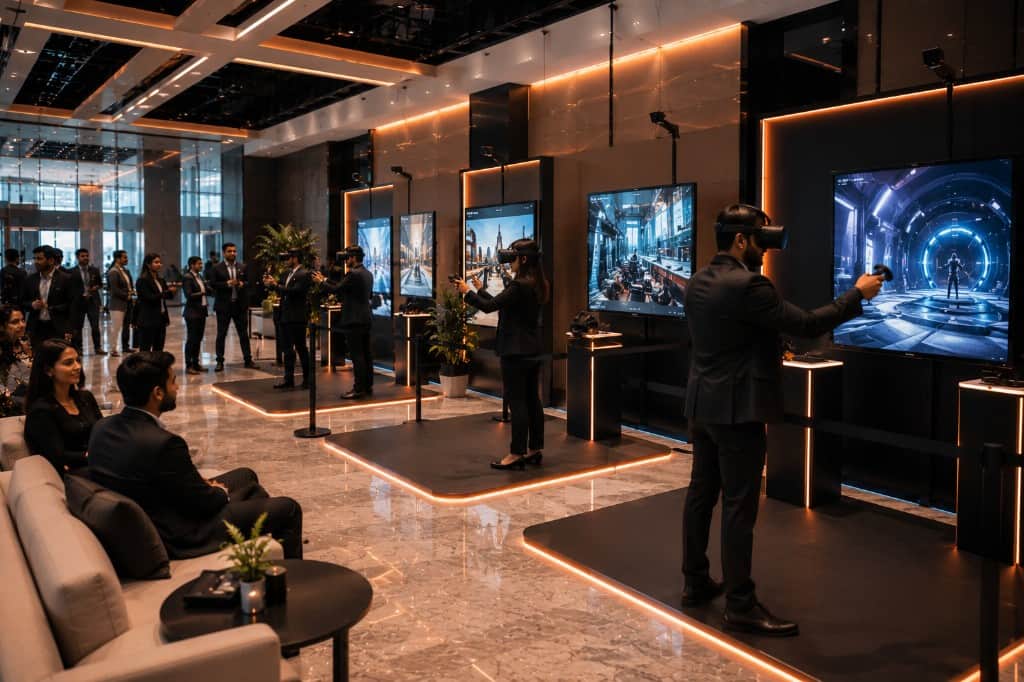
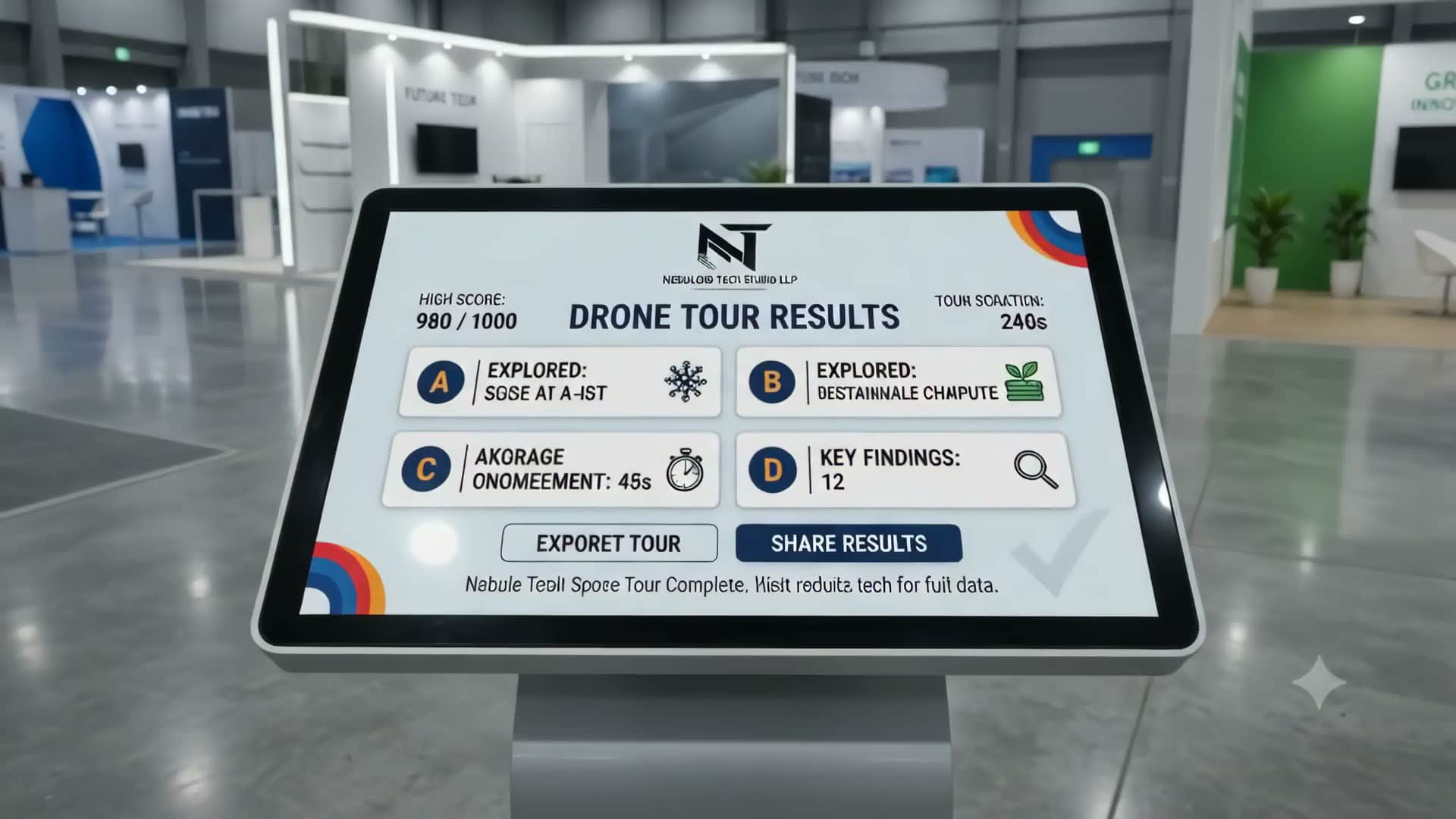
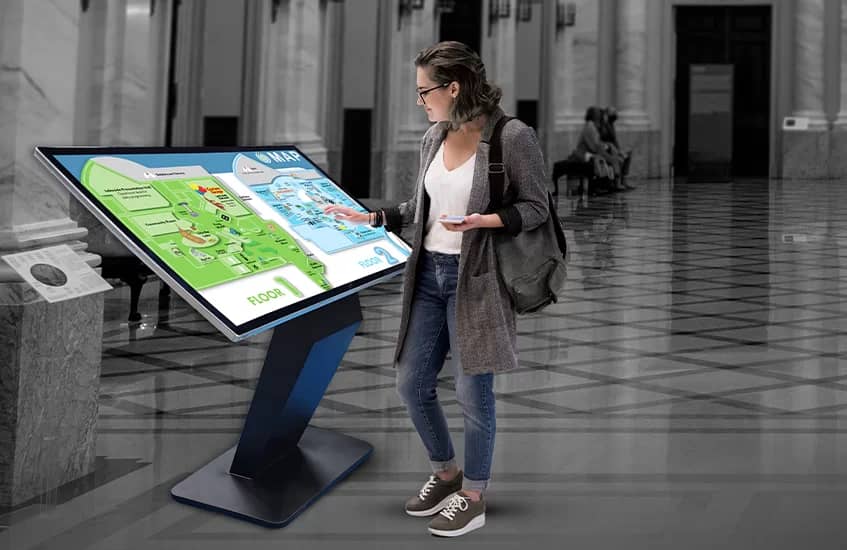
Once you understand the buyer, the stand design problem becomes considerably easier to solve, because a pharmaceutical export stand at Bharat Mandapam has to do three jobs at once and most stands only attempt one. The first job is qualification at distance, and that belongs on the perimeter. Build a capability wall that a buyer can read while walking, carrying only the information that filters people in or out: dosage forms, therapeutic segments, plant approvals, market registrations, and annual capacity. Resist the temptation to print a full product list. A wall of two hundred molecules in six point type communicates nothing except that you did not know what to prioritise, and it forces the buyer to do work that your team should have done for them. The second job is depth on demand, and this is where interactive content genuinely earns its place rather than functioning as decoration. A touch table running a well built dossier explorer lets a buyer filter your portfolio by market, by therapeutic area, by dosage form and by registration status, then generate a shortlist that is emailed to them before they leave the stand. A regulatory approval map, rendered as a large screen with animated territory highlighting, answers the question every export buyer asks within the first two minutes and answers it faster than any brochure. A short, well shot virtual walkthrough of your manufacturing facility, displayed on a large panel with headphones or directional audio, does something no printed photograph achieves: it lets a buyer in Nairobi or Bogota conduct a preliminary plant assessment without booking a flight, and it visibly demonstrates that you are comfortable being inspected. Keep these pieces short. Two minutes is the ceiling for anything a standing visitor will watch in a hall as loud and as busy as this one. The third job is negotiation, and it needs enclosure. Meeting pods with acoustic treatment, proper seating, a table large enough for laptops and samples, water, and a door that closes are not a luxury at a show where deal values run into crores and where competitors are physically twenty feet away. Budget at least a third of your floor area for these, and more if your commercial model depends on distributor agreements rather than spot orders. Around these three zones, several practical details separate professional stands from expensive ones. Sample display cases should be locked, lit and arranged by category rather than piled on a counter. Content should exist in at least English and one or two languages matched to your priority markets, because a Spanish or French landing page opened on a buyer phone builds more trust than any amount of English signage. Staffing needs choreography rather than headcount: one person positioned at the aisle edge to greet and qualify, technical specialists held in reserve inside, and a clear internal signal for handing a qualified visitor upward. Brief every team member on a single page covering the three questions above, the answers, and the three things they must never promise without approval. Finally, control your audio. In a packed hall, a stand playing loud video loops is not creating atmosphere, it is making its own meeting rooms unusable.
The part of IPHEX that determines return on investment happens after the handshake, and it should be engineered before the show rather than improvised during it. Start with lead capture, because badge scanning alone produces a list of names that is almost useless six weeks later. Design a short qualification schema that your team fills in during or immediately after each conversation: target market, product category of interest, indicative annual volume, registration support required, whether the buyer needs a dossier or a finished pack, and a simple three level intent rating. Six fields is the practical limit before compliance collapses on a busy floor. Push this into your CRM the same evening rather than at the end of the show, and run a fifteen minute standup each morning of 6, 7 and 8 September to review the previous day, reassign senior time towards the highest intent conversations, and correct anything that is not working. The follow up window matters more than most exhibitors believe. A buyer who spent three days at Bharat Mandapam has met dozens of suppliers, and the memory of your stand decays quickly. Commit to a first response within seventy two hours of the show closing, personalised to the actual conversation rather than a mass mailer, and attach the specific dossier or price indication discussed. Where samples were requested, treat the logistics as part of the marketing programme, because a sample that arrives in five weeks with paperwork problems undoes everything the stand achieved. Equally important is the physical build, which at Pragati Maidan runs on rules that do not forgive late planning. Move in windows are tight and shared across multiple halls, so structural elements, rigging, heavy print and any raised flooring need to be on site early. Confirm your power sanction against actual load rather than an optimistic estimate, since touch tables, large displays, sample refrigeration and lighting add up quickly. Check the height and rigging restrictions applicable to your specific hall before your designer finalises anything overhead, and keep fire safety clearances, material certificates and contractor documentation in a single folder that your on site supervisor carries. Storage is always scarce, so plan where three days of brochures, samples and personal luggage will physically live. Dismantle deserves the same discipline: decide in advance which assets travel back and which are written off, because rushed teardown at midnight is where good exhibition assets go to die. That last point connects to the biggest efficiency available this September. With Bharat Health and Bharat Nutraverse in Halls 4FF and 6 on the same dates, Sanjeevani in Hall 2FF on 6 and 7 September, and further shows following later in the month, a modular system designed for reconfiguration rather than a bespoke single use build changes your cost structure across the whole calendar. Design the capability wall as interchangeable panels, keep the interactive content in a single content management layer so the dossier explorer can be repointed at a nutraceutical or device portfolio without rebuilding it, and specify crates that survive repeated transport. Measured across a year of exhibitions rather than a single show, that approach usually produces a better cost per qualified lead than any amount of additional floor area.