
PackPlus 2026 takes place from 19 to 21 August in Hall 5GF, and anyone who has exhibited at a packaging and printing show knows that the floor belongs to machinery. Converting lines, filling and sealing systems, corrugation plant, label presses, palletisers, and inspection systems dominate the sightlines, they run live, they are loud, and they are genuinely impressive, which means the hardest question facing an exhibitor without a twenty-tonne machine is how to compete for attention in the same visual field. The audience walking Hall 5GF is unusually mixed in both seniority and intent. Converters and printers arrive with a specific capital purchase in mind and a shortlist already written, packaging heads and research teams from food, beverage, pharmaceutical, and consumer goods companies arrive to scout materials and formats rather than machines, procurement managers arrive to compare landed cost, logistics and supply chain technology buyers arrive to solve warehousing, traceability, and last-mile problems, and a long tail of distributors, students, and adjacent suppliers fills the aisles between them. Nebuloid Tech Studio approaches this floor with one governing rule: in a hall where machines already provide the spectacle, experiential design should provide the comprehension. The most valuable thing an activation can do at PackPlus is compress a long technical explanation into a short, physical, memorable demonstration that a visitor can complete without help. Hall 5GF geography reinforces that logic. Ground-floor halls with large machinery move visitors along broad primary aisles and slow them at open corners, so a stand that opens on two sides and places its interactive element at the aisle line will out-perform an identical stand that hides its screen behind a reception counter. Machinery noise also shapes what is possible, because any experience depending on narration or subtle audio cues will fail next to a running press, while experiences built on visual feedback, touch, and physical objects will not. The three-day rhythm is consistent with other Delhi trade shows in August. The nineteenth brings serious specifiers and the calmest aisles, the twentieth brings peak volume and the least patience, and the twenty-first brings decision makers returning to close, which means the same installation needs both a rapid queue mode and a slower consultative mode. Monsoon weather keeps visitors inside for longer stretches, and long dwell inside a hot, noisy hall makes seating, shade, water, and a moment of visual calm surprisingly powerful competitive advantages rather than hospitality afterthoughts. The exhibitors who leave PackPlus with real pipeline are rarely the ones who shouted loudest; they are the ones who made a complex proposition instantly legible, gave a visitor something to hold or operate, captured who that visitor was and what they cared about, and had a follow-up sequence ready before the hall lights went down on the final evening. That outcome is designed in the eight weeks before the show, when the activation concept, the stand layout, the staffing plan, and the lead capture flow are decided together, and it is very difficult to retrofit in the last fortnight once the plot is booked and the graphics are already at the printer waiting for approval.
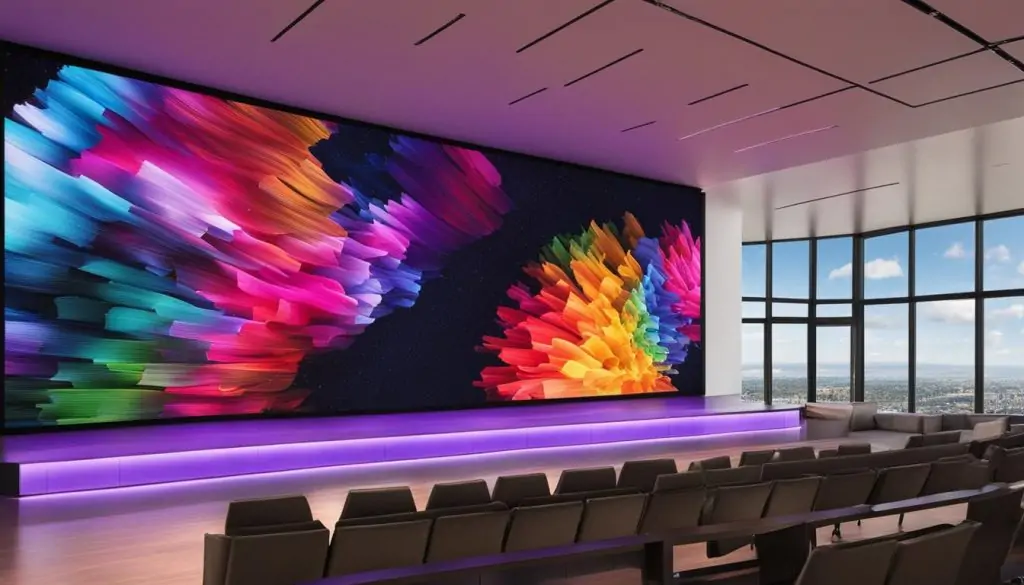
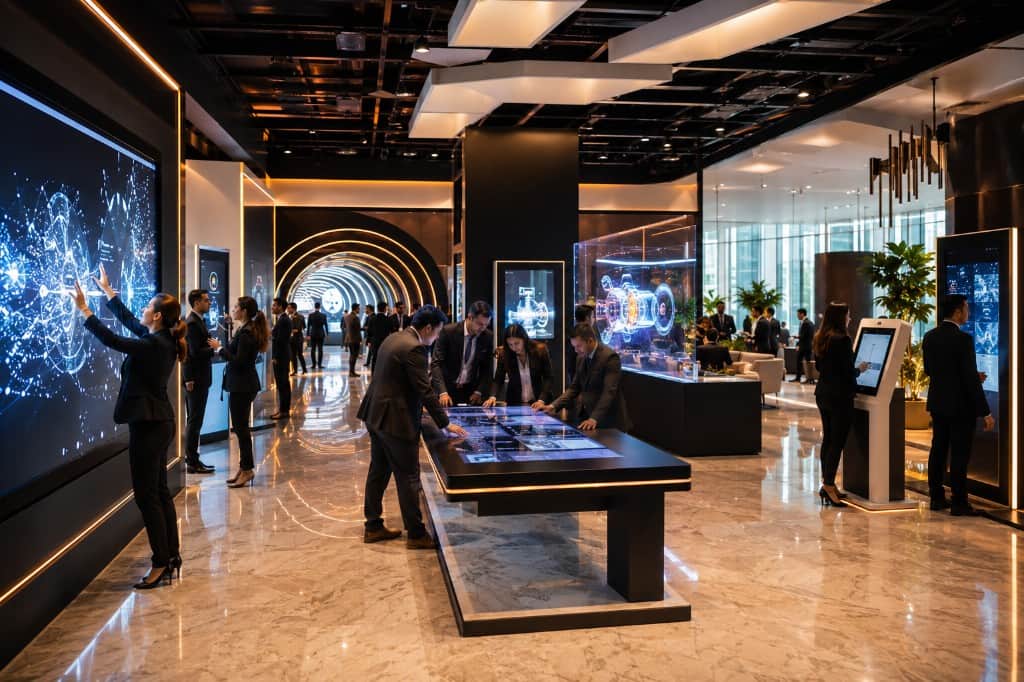
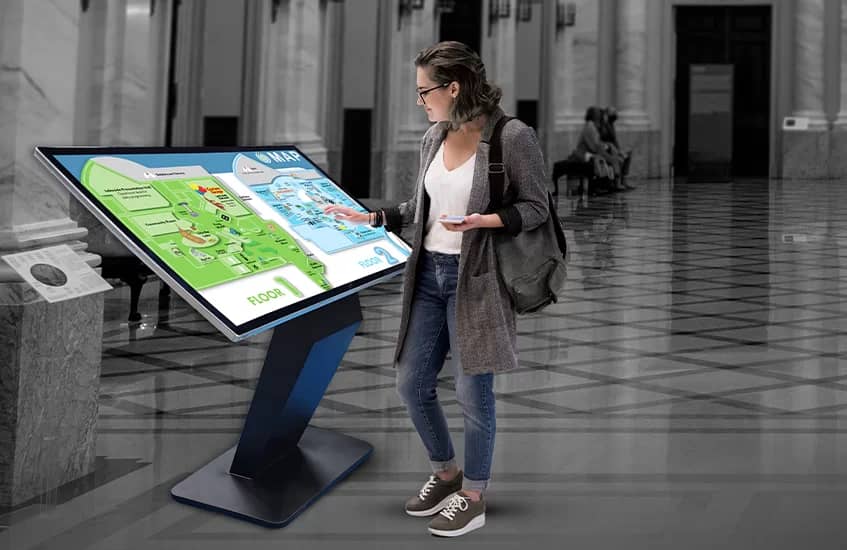
For packaging, printing, and supply chain exhibitors in Hall 5GF, the strongest activation formats are the ones that turn an abstract capability into something a visitor can operate with their own hands in under two minutes. The single best performer Nebuloid Tech Studio builds for this sector is a personalised pack station. A visitor selects a format, chooses a finish, adds a name or a company, previews the artwork on screen, and walks away holding a printed label, a folding carton, a pouch, or a sleeve produced live on the stand. It works because the takeaway is the product, the visitor becomes the demonstration, and the queue itself advertises variable data printing, short-run economics, and finishing capability far more persuasively than any sample wall ever could. A second format is the interactive material library: a large touch table where physical substrate swatches placed on the surface are recognised and instantly open barrier data, shelf life implications, recyclability classification, printing behaviour, and case studies for that material, so a packaging head from a food company can compare six options in the time it usually takes to find one sample in a drawer. Machinery exhibitors gain most from a digital twin wall or an augmented reality overlay, where a large screen mirrors the running line beside it with live sensor values, changeover times, waste rates, and output per shift, or where a tablet pointed at the machine reveals the internal transport path, tooling changes, and service points that no visitor can see from behind a safety guard. For lines too large to bring to Delhi, a scaled physical model paired with a synchronised screen delivers the same understanding at a fraction of the freight cost. Sustainability claims deserve their own interaction rather than a wall of text: a short calculator where a visitor enters annual volumes and sees material savings, recycled content, and transport emissions change in front of them turns a compliance slide into a commercial conversation. Logistics and supply chain technology brands should build a small operating loop rather than a video. A miniature conveyor with vision-based sorting, a live radio frequency identification gate that reads a tray of tagged cartons in one pass, or a track-and-trace demonstration where a visitor scans a code and watches a unit move through a simulated network proves the technology in seconds. A warehouse optimisation game, where two visitors compete to pick and pack a wave of orders under a timer, reliably generates crowd noise and a leaderboard while still teaching the exact efficiency argument the sales team wants to make. Whatever format is chosen, three design rules hold in Hall 5GF. Keep the interaction visual and tactile so it survives machinery noise, keep the loop under two minutes during peak hours so throughput does not collapse, and make sure the giveaway or output carries a code that links back to the visitor record, because a beautiful printed sample handed to an anonymous stranger is a cost, whereas the same sample handed to an identified packaging head at a named company with a stated volume requirement is the beginning of an order.
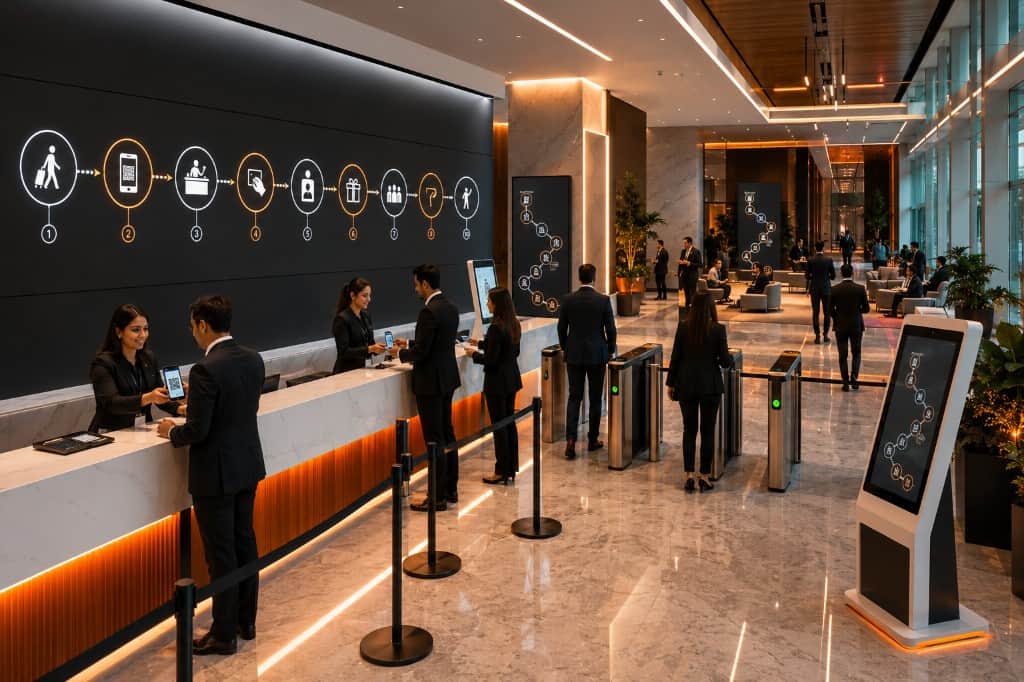
Executing an interactive stand in Hall 5GF between 19 and 21 August demands the same rigour as commissioning a production line, and Nebuloid Tech Studio plans it in that spirit. Start with written confirmation of hall allocation, stand dimensions, build and dismantle windows, and material movement rules, because a packaging show fills its halls with heavy machinery and the resulting vehicle scheduling, forklift availability, and gate discipline leave very little tolerance for a late arrival. Electrical planning is the most common failure point. In a hall where neighbouring stands are drawing heavy machine loads, an interactive installation needs its own declared supply with headroom, protected circuits, and uninterruptible power supply units on every show computer, and it needs that supply confirmed by the organiser well before build day rather than negotiated on site. Dust and vibration are genuine risks around converting and corrugation equipment, so specify sealed industrial computers instead of consumer desktops, mount screens on ballasted floor-standing structures rather than lightweight panels, protect touch surfaces with replaceable optically bonded glass, and carry spare cabling, media players, and a complete backup of the experience on physical storage. Assume venue connectivity will be saturated for all three days and build every experience offline-first with local data storage and scheduled synchronisation, because a printing queue that stalls waiting for a cloud response in front of eleven waiting visitors is worse than having no activation at all. Consumables need a plan of their own. If the activation prints, wraps, or forms something, calculate expected volumes per hour across the three days, stock at least fifty per cent above forecast, and station a second team member on replenishment so the printer never runs dry during the twentieth of August peak. Staffing follows the same logic as machinery uptime: one trained host per interactive station to pace the queue and capture details, one technical operator on call for the whole stand, and your own commercial specialists positioned immediately beyond the activation to receive visitors who have just finished. Rehearse a fifteen-second invitation, a thirty-second qualification, and a clean handover before the doors open on the first morning. Lead capture belongs inside the experience: a badge scan or short digital form that records name, organisation, role, product interest, annual volumes, and consent, tagged with the material, machine, or module the visitor actually explored, synced to the customer relationship system every evening so follow-up leaves within forty-eight hours with the sample the visitor is still holding referenced by name. Measure participations per hour, average dwell, samples produced, qualified conversations, cost per qualified conversation, and day-wise performance against the traffic curve, then review those numbers against the shortlist of accounts you wanted to meet rather than against raw footfall. Finally, design for reuse from the first sketch. A material library table, digital twin wall, sustainability calculator, or sorting game commissioned for PackPlus can be re-skinned for regional packaging shows, dealer meets, customer visits at your own plant, and the healthcare and imaging expos running later in the same Delhi August, which is how a serious experiential budget stops being an annual expense and becomes a marketing asset with a measurable multi-year return.