
Website speed optimization is essential for creating a smooth browsing experience, improving search engine visibility, and keeping visitors engaged. A slow-loading website can frustrate users, increase bounce rates, and reduce potential conversions. Whether you run a business website, an e-commerce store, or a blog, improving loading time helps visitors access information quickly and navigate your pages easily. Understanding website development and digital solutions can help businesses build faster, more effective online experiences.
Why Website Speed Matters for SEO
Website loading speed contributes to user experience and supports your overall SEO strategy. Search engines consider page experience signals, including Core Web Vitals, when evaluating website performance. Metrics such as Largest Contentful Paint (LCP), Interaction to Next Paint (INP), and Cumulative Layout Shift (CLS) help measure loading performance, responsiveness, and visual stability. A well-optimized website makes it easier for visitors to interact with content and find the information they need. Explore our digital marketing services to understand how website performance can complement your broader online growth strategy.
10 Ways to Improve Website Loading Time
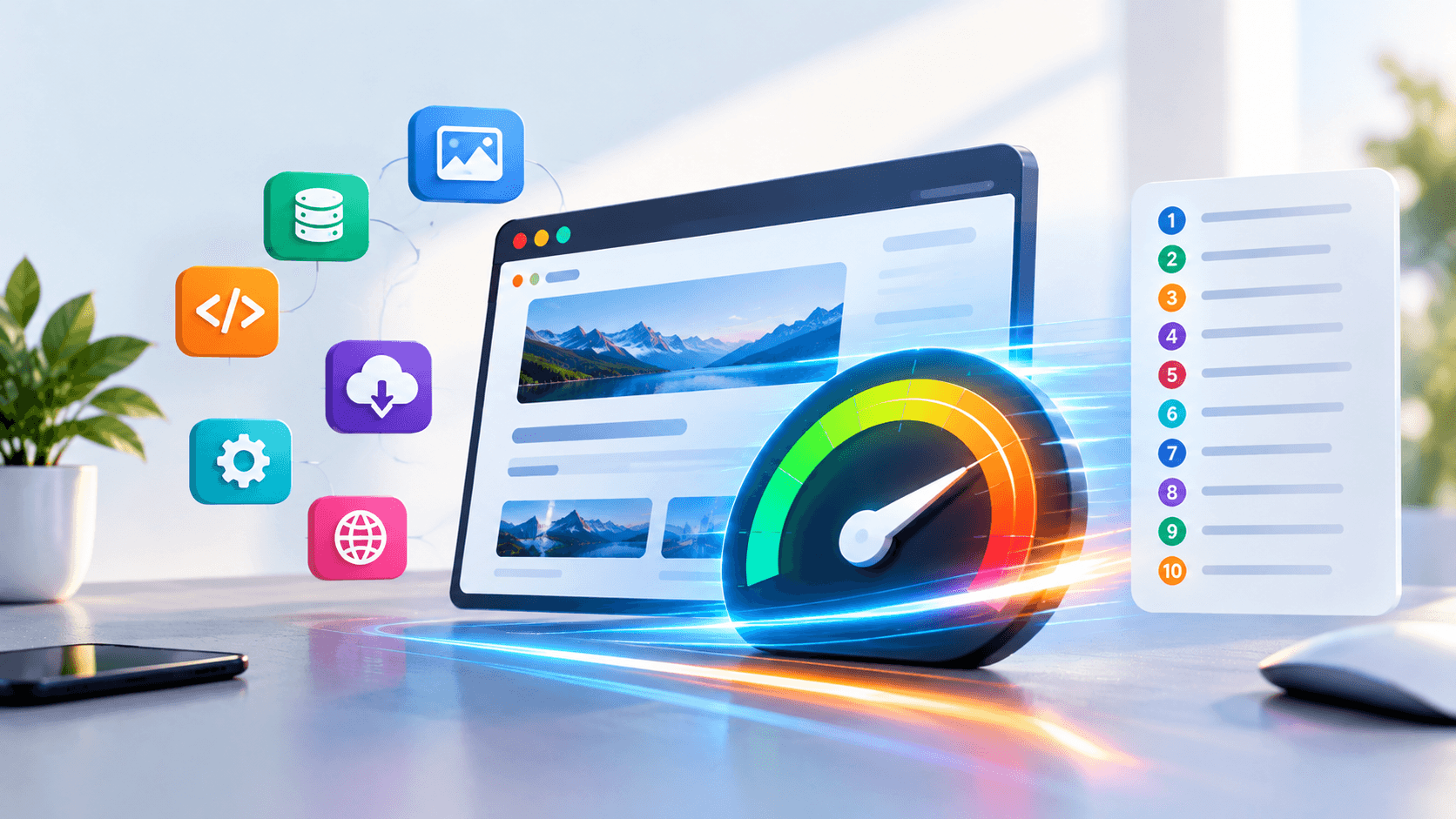
You can improve website speed through several practical techniques, including compressing images, using modern image formats such as WebP, reducing unnecessary JavaScript and CSS, enabling browser caching, and choosing reliable hosting. A Content Delivery Network (CDN) can help deliver website assets efficiently, while lazy loading can prevent off-screen images from loading unnecessarily. Minifying code, reducing redirects, optimizing fonts, and removing unused plugins can also improve performance. Regularly testing your website helps identify bottlenecks and prioritize the improvements that will make the greatest difference.
Improve Core Web Vitals and User Experience
Core Web Vitals provide useful insights into how visitors experience your website. Aim for an LCP of 2.5 seconds or less, an INP of 200 milliseconds or less, and a CLS score of 0.1 or less, measured at the 75th percentile of page visits. Tools such as Google PageSpeed Insights and Google Search Console can help you identify performance issues and track improvements. Along with technical changes, ensure your website has a mobile-friendly layout, simple navigation, and optimized content. You can also explore our web design and development solutions to learn more about creating a user-friendly website.
Make Website Speed Optimization an Ongoing Process
Website speed optimization is not a one-time task; it requires regular monitoring, testing, and maintenance as your website grows. Review performance after publishing new pages, adding plugins, updating themes, or introducing new features. Focus on improvements that benefit real users rather than relying only on a single test score. A fast, stable, and responsive website can support better engagement, stronger user trust, and your long-term SEO efforts. By applying these ten techniques consistently, you can create a better browsing experience and build a stronger digital presence for your business.