
Why Every Business Needs a Custom Website in 2026
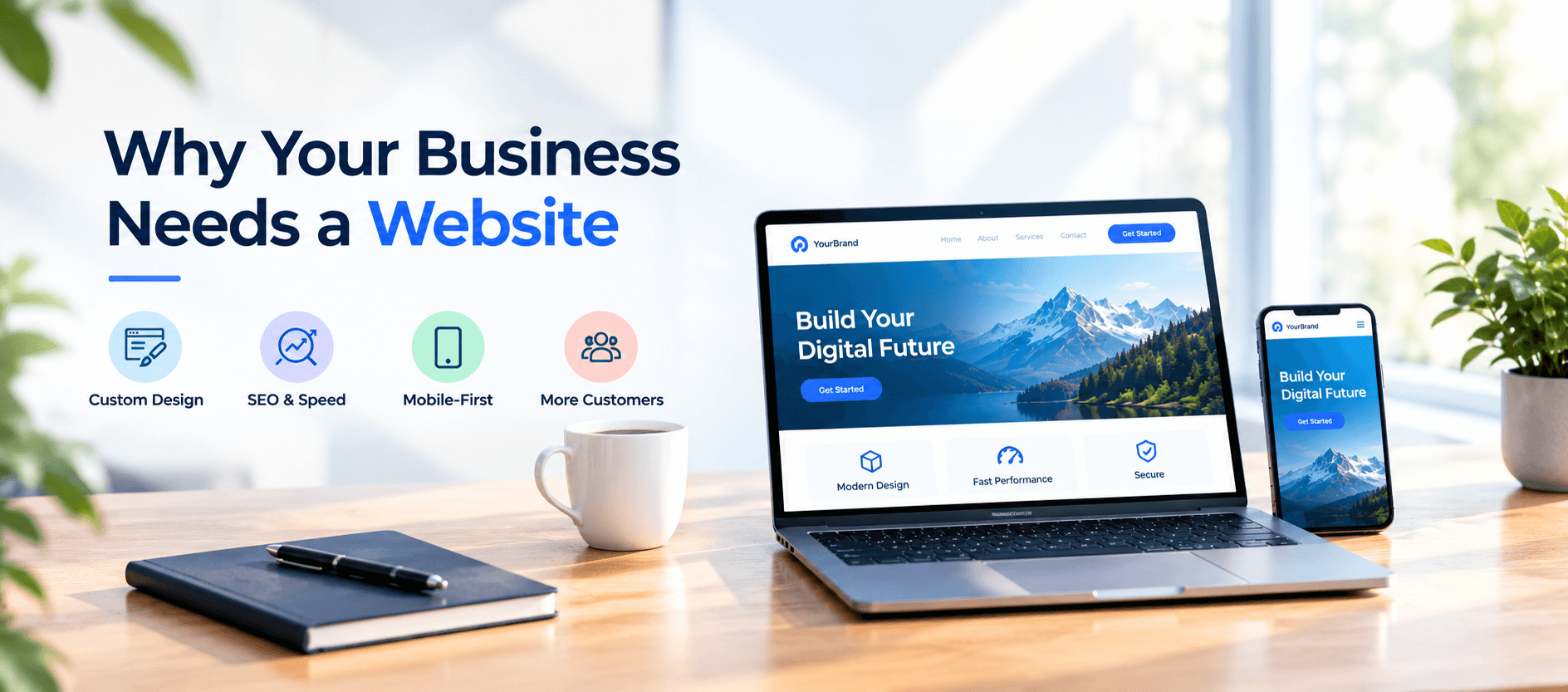
In today's digital world, a professional website helps businesses build credibility, reach potential customers, and grow online. A well-designed website creates a strong first impression and makes it easier for customers to discover and connect with your brand through dedicated digital experiences and tailored solutions.
Research Insights: Custom Web Solutions vs. Standard Approaches
To better understand why businesses choose tailored digital investments over generic templates, we researched key metrics regarding performance, user retention, and conversion impact:
| Focus Area | Custom Solutions & Strategy | Key Business Impact | Relevant Resource |
|---|---|---|---|
| Architecture & Branding | Tailored UI/UX, distinct brand guidelines, and custom components. | Higher brand recall and unique positioning in competitive markets. | Capabilities |
| Technology & Performance | Optimized codebases, fast content delivery networks, and secure hosting. | Lower bounce rates and higher search engine rankings. | Technology |
| Mobile & Responsive Design | Mobile-first development catering to smartphones, tablets, and kiosks. | Seamless cross-device engagement for modern consumers. | Touchscreen Kiosks |
| Conversion Optimization | Integrated lead capture, analytics dashboards, and clear user journeys. | Maximized return on investment (ROI) from digital traffic. | Lead Capture |
1. Custom vs. Template Websites
Custom websites are designed around a business's specific goals, branding, and functionality requirements—much like the bespoke solutions outlined in our about and process sections. Template websites are often quicker and more affordable to launch but may offer less flexibility for unique needs. The right choice depends on your budget and long-term business goals. Explore our sector-specific work across various industries to see how customized tech fits different business models.
2. SEO and Website Performance
Search Engine Optimization (SEO) helps your website appear in relevant search results. Fast loading speeds, clear content, secure connections, and a well-structured website can improve user experience and support search visibility. For further reading, check out our insights on experiential marketing and technical optimization.
3. Mobile-First Design
Customers expect websites to work smoothly on smartphones, tablets, and desktops. Mobile-first design prioritizes readable content, easy navigation, responsive layouts, and fast loading to deliver a consistent experience across devices. To see how we build robust digital foundations, visit our technology stack overview.
4. Converting Visitors into Customers
A successful website does more than attract visitors; it encourages them to take action. Clear calls to action, simple contact forms, helpful content, and intuitive navigation can turn visitors into enquiries, potential leads, and customers. Discover our interactive capabilities and tools on our experiences page.